Simple Tips To Make The Most Of Recycling In Cairns
Table of Contents
- Understand What Can and Cannot Be Recycled
- Rinse and Prepare Your Items Properly
- Avoid Wishcycling
- Make Recycling Convenient at Home
- Reduce Before You Recycle
- Know Where to Take Special Items
- Stay Consistent With Your Habits
- Understand the Impact of Your Efforts
- Make Recycling Easier With the Right Support
Recycling plays an important role in reducing waste and supporting a cleaner environment. For many households, small changes in daily habits can make a noticeable difference over time. Understanding how to improve your approach to recycling in Cairns helps ensure more materials are reused correctly rather than ending up in landfill.
Many people already recycle, but not always in the most effective way. Simple misunderstandings or inconsistent habits can limit the impact of even the best intentions. By making a few practical adjustments and staying informed, recycling can become more efficient, reliable and beneficial for both your household and the wider community.
Understand What Can and Cannot Be Recycled
One of the most common challenges people face is knowing what actually belongs in the recycling bin. Placing the wrong items in your bin can contaminate recyclable materials and reduce the effectiveness of the entire process.
Common recyclable items include paper, cardboard, certain plastics, glass bottles and aluminium cans. However, items such as soft plastics, food waste, and heavily soiled packaging often cannot be processed through standard recycling systems.
It is also important to understand that not all plastics are treated the same. Different types require different processing methods, and some may not be accepted in kerbside recycling. Checking local guidelines or product labels can help you make the right choice.
Taking a moment to confirm what is accepted helps reduce contamination and ensures more materials can be successfully recycled.
Rinse and Prepare Your Items Properly
Recycling does not need to be complicated, but preparing your items correctly makes a big difference. Containers that still contain food or liquid residue can contaminate other recyclables and lead to entire batches being rejected.
Before placing items in your bin, it helps to:
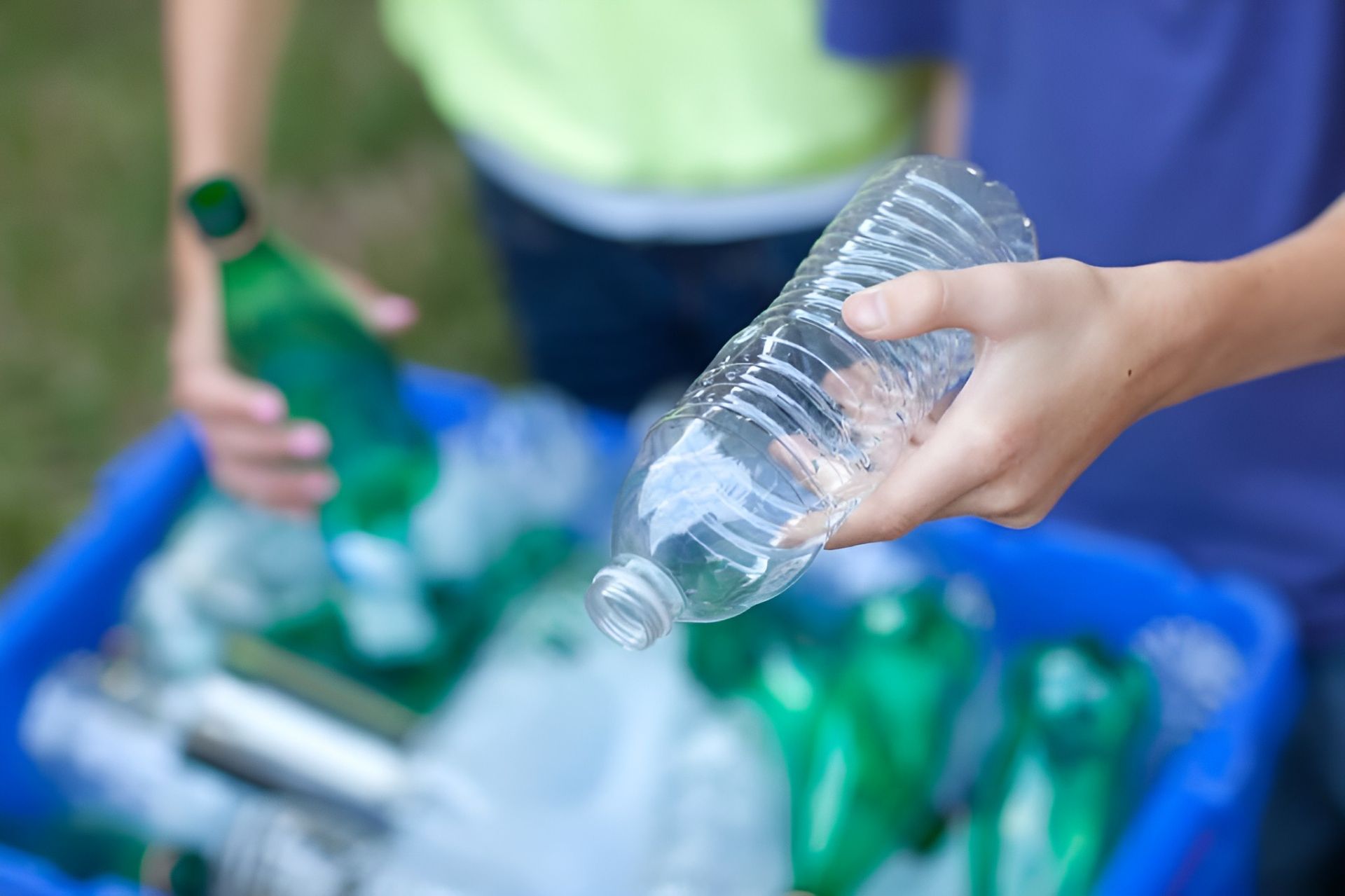
- Rinse bottles, cans and containers
- Remove excess food from packaging
- Separate lids where required
- Flatten cardboard boxes to save space
These small steps improve the quality of recyclable materials and make sorting easier at processing facilities. Clean items are more likely to be accepted and reused, which increases the overall effectiveness of recycling efforts.
Avoid Wishcycling
Wishcycling happens when people place items in the recycling bin hoping they can be recycled, even if they are unsure. While the intention is positive, it often creates more problems than it solves.
Items like plastic bags, coffee cups, takeaway containers and mixed-material packaging are commonly mistaken as recyclable. In reality, many of these require specialised processing or cannot be recycled at all.
When incorrect items enter the system, they can damage equipment, slow down sorting processes and increase the amount of waste sent to landfill. This reduces the overall efficiency of recycling programs.
Being certain about what you are recycling is always more effective than guessing. When in doubt, it is better to check guidelines or dispose of the item correctly.
Make Recycling Convenient at Home
Creating a simple and accessible system at home makes it easier to stay consistent. When recycling feels like part of your everyday routine, it becomes second nature rather than an extra task.
You might consider:
- Keeping separate bins for general waste and recycling
- Using labelled containers to avoid confusion
- Placing bins in high-use areas such as the kitchen or laundry
- Setting up a small sorting area for items like paper and containers
Making recycling convenient reduces the chances of recyclable materials ending up in general waste. It also encourages everyone in the household to participate, which helps build consistent habits over time.
Reduce Before You Recycle
While recycling is important, reducing waste at the source has an even greater impact. The less waste you produce, the less needs to be processed, transported or managed.
Simple changes can make a significant difference, such as:
- Choosing products with minimal or recyclable packaging
- Using reusable shopping bags, containers and water bottles
- Avoiding single-use plastics where possible
- Repairing or repurposing items instead of replacing them
These habits support recycling efforts by lowering the overall volume of waste. When reduction and recycling work together, they create a more effective and sustainable approach to managing household waste.
Know Where to Take Special Items
Not all recyclable materials can be placed in your household bin. Items such as electronics, batteries, scrap metal and larger materials often require specialised handling.
Searching for recycling near me can help you find appropriate facilities that accept these items. These services are designed to handle materials safely and ensure they are processed in the correct way.
Taking the time to use the right facility helps prevent harmful materials from entering landfill and ensures valuable resources can be recovered and reused.
Understanding where to take different types of waste is an important part of improving your recycling habits.
Stay Consistent With Your Habits
Consistency plays a key role in making recycling effective. Occasional efforts can help, but long-term habits create lasting results.
It can be helpful to:
- Keep your bins organised and easy to access
- Stay updated with local recycling guidelines
- Encourage all household members to follow the same system
- Make recycling part of your regular routine
Over time, these actions become automatic and require less effort. Consistency helps ensure more materials are recycled correctly and reduces the amount of waste going to landfill.
Understand the Impact of Your Efforts
Every small action contributes to a larger outcome. When households recycle correctly, it supports a more efficient system that benefits the entire community.
Proper recycling reduces the demand for new raw materials, lowers energy use and helps minimise environmental impact. It also supports local industries that rely on recycled materials for production.
By improving your approach to recycling in Cairns, you play a role in supporting these outcomes and helping create a cleaner environment for future generations.
Make Recycling Easier With the Right Support
At North Queensland Recycling Agents, we make it easier to build better recycling habits with clear guidance and practical support that fits into everyday life.
Our team helps remove uncertainty around sorting, handling and disposing of different materials, so you can spend less time guessing and more time getting it right. Whether you are dealing with everyday household waste or unsure about specific items, we help you understand the right approach and keep your recycling routine simple and manageable.
If you want a simpler, more effective way to manage your
recycling in Cairns,
contact our team today and take the next step towards reducing waste in your home.